Planning Your Renovation Timeline
Understanding how long your project will take helps you prepare for temporary disruptions and coordinate household schedules effectively. Most renovations fall into three categories based on scope. Cosmetic updates like replacing fixtures, updating lighting, and installing new vanities typically take three to five days when handled by skilled professionals. These projects involve minimal demolition and focus on visible improvements. Moderate renovations that include retiling showers, replacing tubs, updating plumbing fixtures, and reconfiguring storage usually require one to two weeks. This timeframe accounts for demolition, potential subfloor repairs, and allowing materials like tile grout and caulk to cure properly. Full-scale renovations involving layout changes, moving plumbing lines, upgrading electrical systems, and addressing structural issues often take three to four weeks.
Akron’s older housing stock frequently reveals hidden complications once walls open up, particularly in homes built before 1980. Water damage from slow leaks, outdated wiring that doesn’t meet current electrical codes, or undersized plumbing that needs replacement can extend timelines. Winter weather between December and March sometimes delays material deliveries or affects working conditions in unheated spaces. With over 30 years of experience serving Akron and Cleveland area homeowners, local remodeling professionals understand these regional factors and build appropriate buffers into schedules. They conduct thorough pre-construction inspections to identify potential issues before work begins, reducing the likelihood of surprise delays. One-day installation services have become popular for homeowners who need quick turnarounds on tub and shower replacements without sacrificing quality or durability.
Choosing Materials That Last
Material selection dramatically impacts both the immediate appearance and long-term performance of your renovated space. Prioritize durability and maintenance requirements alongside aesthetics to ensure your investment delivers value for decades. For shower and tub surrounds, solid surface materials offer significant advantages over traditional tile. These seamless installations eliminate grout lines where mold and mildew thrive, making cleaning faster and preventing long-term maintenance headaches. They resist staining, scratching, and fading while providing a high-end appearance in various colors and patterns. Traditional ceramic tile remains popular for floors and accent walls, but requires professional installation and periodic grout maintenance to prevent water infiltration.
Vanity materials matter more than many homeowners realize. Solid wood cabinets with quality finishes withstand humidity better than particleboard alternatives, which can swell and deteriorate when exposed to moisture over time. Quartz countertops outperform laminate in durability and moisture resistance, though they cost more upfront. For flooring, porcelain tile provides excellent water resistance and comes in styles that mimic wood, stone, or concrete. Luxury vinyl plank has gained popularity as a budget-friendly, water-resistant option that’s warmer underfoot than tile, particularly appreciated during Northeast Ohio winters when bathroom floors can feel uncomfortably cold. Fixtures in brushed nickel or matte black finishes hide water spots better than polished chrome, reducing the frequency of cleaning needed to maintain appearance. When working with experienced remodelers who specialize in bathroom renovations, you gain access to trade-quality materials at better pricing than retail stores offer, plus guidance on which products perform best in local conditions. They understand which materials handle the humidity fluctuations common in Akron homes and can recommend solutions that balance your budget with performance expectations.
Maximizing Storage in Small Spaces
Limited square footage challenges many Akron homeowners, especially those in early 20th-century homes where bathrooms were added as afterthoughts in compact spaces. Strategic design choices multiply storage capacity without making rooms feel cramped. Recessed medicine cabinets built into wall cavities provide storage without protruding into the room, offering more capacity than surface-mounted alternatives. Corner shelving units in showers utilize otherwise wasted space for toiletries while keeping products within easy reach. Vanities with drawers instead of cabinet doors allow better organization and easier access to items stored in back, eliminating the need to remove front items to reach things behind them.
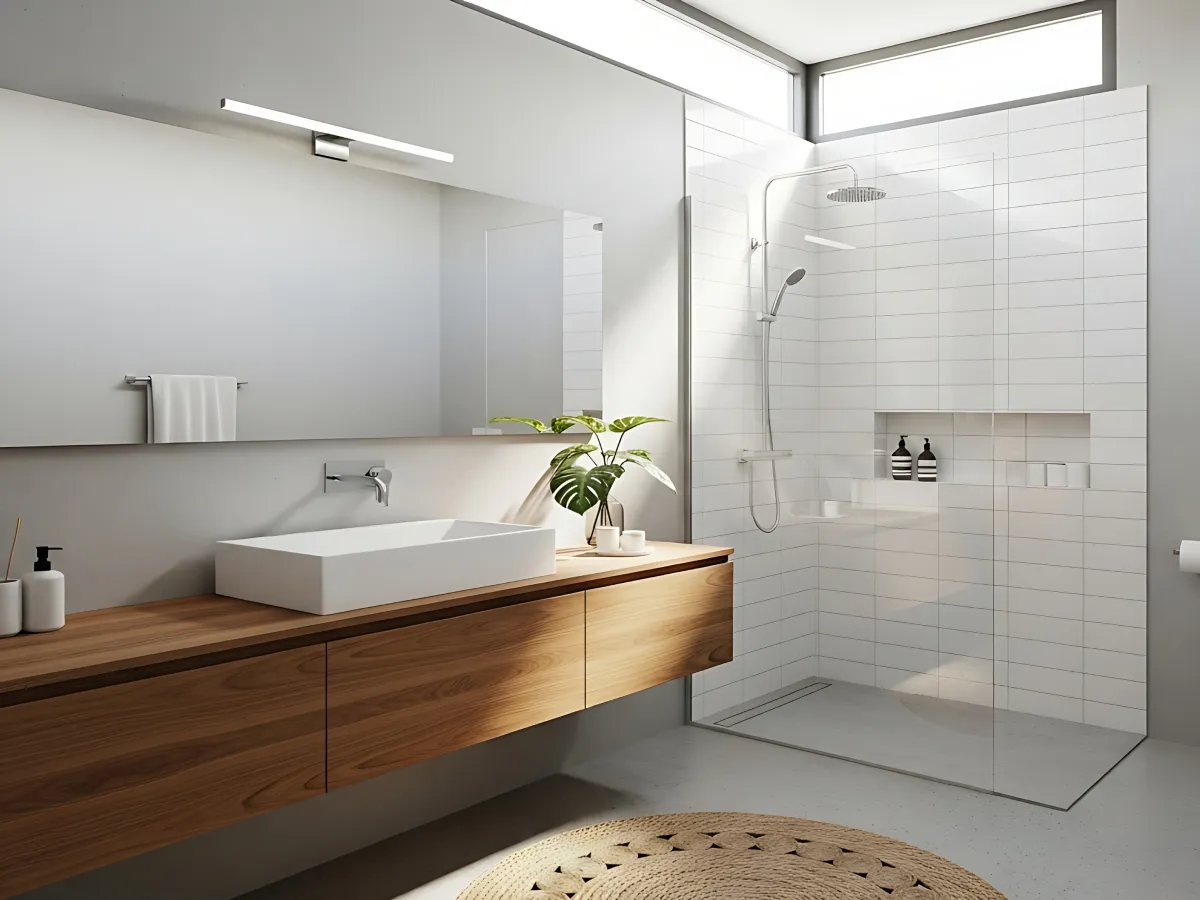
Floating vanities create visual space by exposing floor area, making small rooms feel larger while providing storage in the cabinet box itself. Adding a second rod or hooks on the back of the door accommodates towels and robes without requiring wall space. Built-in niches in shower walls provide elegant storage for shampoo and soap without the visual clutter of hanging caddies or corner shelves that collect soap scum. Tall, narrow cabinets fit in spaces beside vanities or toilets, offering substantial storage in a small footprint. Mirror-front cabinets serve double duty, eliminating the need for separate mirrors while hiding storage behind reflective surfaces.
Many homeowners discover that thoughtful renovation planning creates significantly more storage than they currently have, even without expanding the room’s footprint. Professional designers experienced in small bathroom renovations can identify opportunities you might overlook and suggest creative solutions tailored to your specific layout and storage needs. They understand how to balance functionality with aesthetics, ensuring storage solutions enhance rather than detract from your room’s appearance.
Understanding Plumbing Upgrades
Hidden behind walls and under floors, your plumbing system forms the foundation of bathroom functionality. Addressing plumbing during renovations prevents future problems and ensures reliable performance. Many Akron homes built before 1970 still have original galvanized steel pipes that have significantly deteriorated inside, restricting water flow and affecting pressure. Replacing these with modern PEX or copper piping during your project prevents future leaks and improves water delivery throughout your home. If you’re relocating fixtures or adding features like a second showerhead, your existing plumbing configuration may not support the changes without modifications to pipe sizing or routing.
Water heater capacity becomes relevant when upgrading to large soaking tubs or multiple-head shower systems that use more hot water than standard fixtures. Your current water heater might not provide enough volume for these upgrades to function as intended. Drain lines sometimes require reworking when converting tubs to showers or relocating toilets, particularly in homes where original plumbing took the shortest rather than the most efficient path. Building codes have evolved significantly over the decades, and bringing your plumbing up to current standards protects your investment and ensures proper permits and inspections.
Shut-off valves for individual fixtures provide convenience for future maintenance and repairs, but older installations often lack them, requiring whole-house water shutoffs for minor work. Installing proper ventilation for drain lines prevents slow drainage and gurgling sounds that indicate air pressure imbalances in your plumbing system. Working with licensed plumbers who understand local code requirements and the quirks of older homes ensures your updated plumbing performs reliably for decades. They can assess whether your current system needs upgrades to support your renovation plans and recommend the most cost-effective approach to modernizing infrastructure while walls and floors are already open.
Working With Trusted Professionals
Selecting the right team makes the difference between a smooth renovation and a stressful ordeal. Look for remodelers with substantial local experience who understand the specific challenges Northeast Ohio homes present. Verify they carry proper licensing and insurance to protect yourself from liability if accidents occur during construction. Ask for references from recent projects and follow up with those homeowners to learn about their experiences, particularly regarding communication, problem-solving, and cleanup practices.
Established companies with decades of experience have developed relationships with reliable suppliers, skilled tradespeople, and inspectors, which translates to smoother projects and better problem resolution when issues arise. They should provide detailed written estimates that break down costs by category, making it clear what’s included and what might trigger additional charges. Transparency about timelines, including realistic assessments of how long each phase takes, helps you plan around the construction period. Quality remodelers conduct thorough initial assessments, taking time to understand your priorities, budget constraints, and long-term goals before proposing solutions.
Communication patterns during the estimating process often predict how the working relationship will unfold. Professionals who listen carefully, ask clarifying questions, and provide thoughtful recommendations demonstrate the attentiveness you want throughout your project. They should explain options at different price points rather than pushing a single solution, empowering you to make informed decisions. Local bathroom renovation specialists bring valuable perspective about what works well in similar homes, which products hold up best in this climate, and how to maximize value within your budget. When you partner with a team that has served the Akron and Cleveland areas for over three decades, you benefit from their accumulated knowledge about regional building practices, common issues in local housing stock, and the most effective solutions for lasting results.